
No-Code ERP vs. Traditional ERP: Which is Better?
Waveon
No-Code ERP vs. Traditional ERP: Which is Better?
Choosing the right ERP system is one of the biggest business decisions you will make and with so many options, it is a difficult choice.
Modern no-code ERP systems are quicker to implement and more efficient than traditional ERP systems. Powered by new technologies, these solutions offer many benefits, leading businesses to switch from their traditional systems.
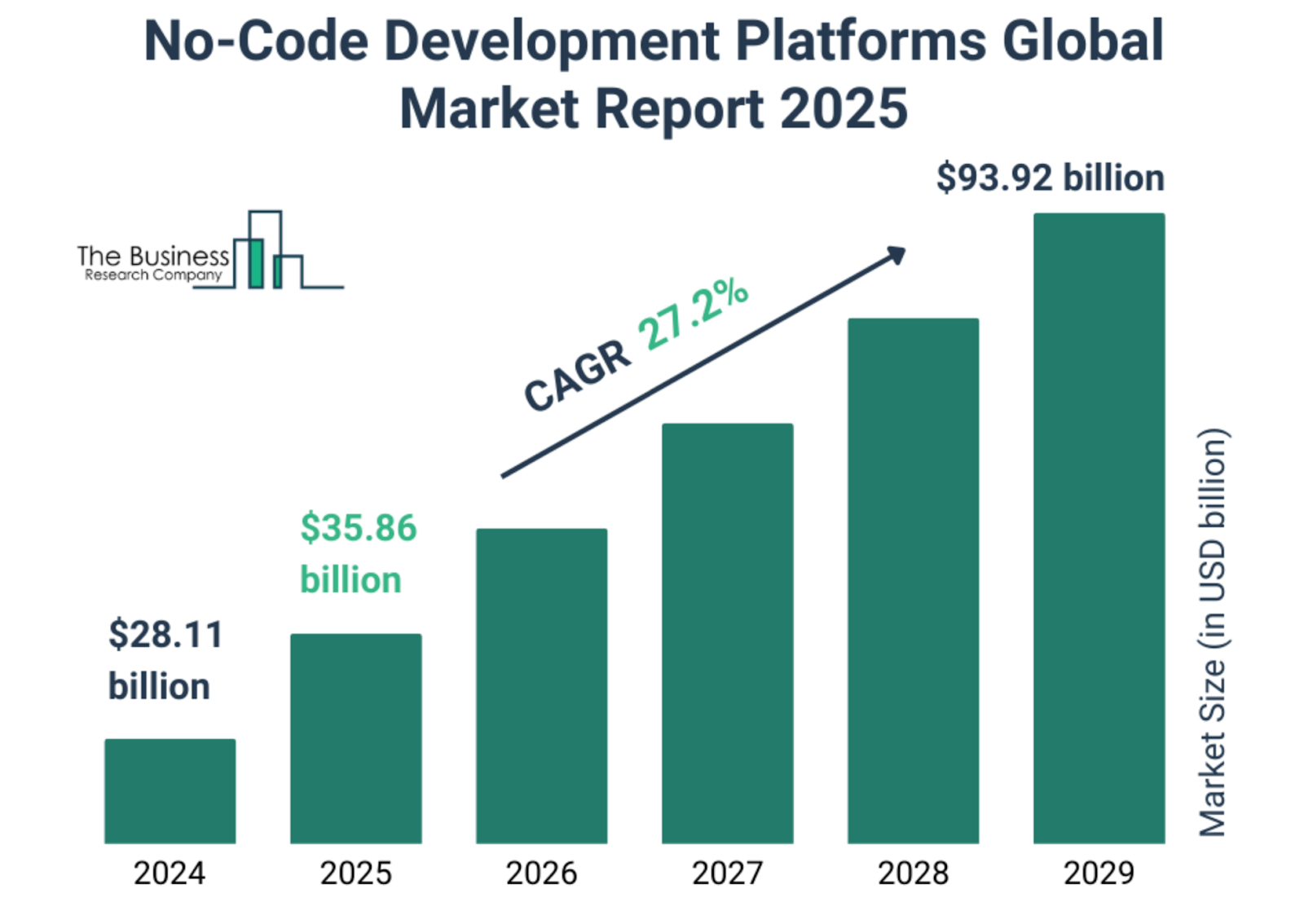
The steady rise in no-code development platforms globally is a key indicator of this trend.
But does this mean that traditional ERP is obsolete?
Well, the short answer is no. Both no-code and traditional systems offer unique benefits as well as challenges.
In this guide on no-code ERP vs. traditional ERP, we will discuss their key difference and the factors you should consider while choosing the right ERP type for your business. Let’s dive in!
What is a Traditional ERP System?
A traditional ERP (Enterprise Resource Planning) software solution helps you manage and automate core business processes like accounting, inventory, HR, and customer management.
It requires custom coding skills and IT expertise to build, and it may take your team months (or even years) to implement a traditional ERP system for your business. This solution is highly customizable as you have full control over its functionality. However, it can be expensive and time-consuming to develop and customize.
A traditional ERP system is best suited for those with technical expertise.
What is a No-Code ERP System?
A no-code ERP is a modern, more convenient, and beginner-friendly alternative to traditional ERP systems. You can use it to build, customize, and manage your ERP system without any coding knowledge.
Instead of relying on developers, you can create dashboards, automate workflows, and generate reports using simple drag-and-drop tools.
It is simple, affordable, fast, flexible, and convenient.
A no-code ERP builder like Waveon, for example, offers flexible customization options and quick implementation time, while still being budget-friendly.
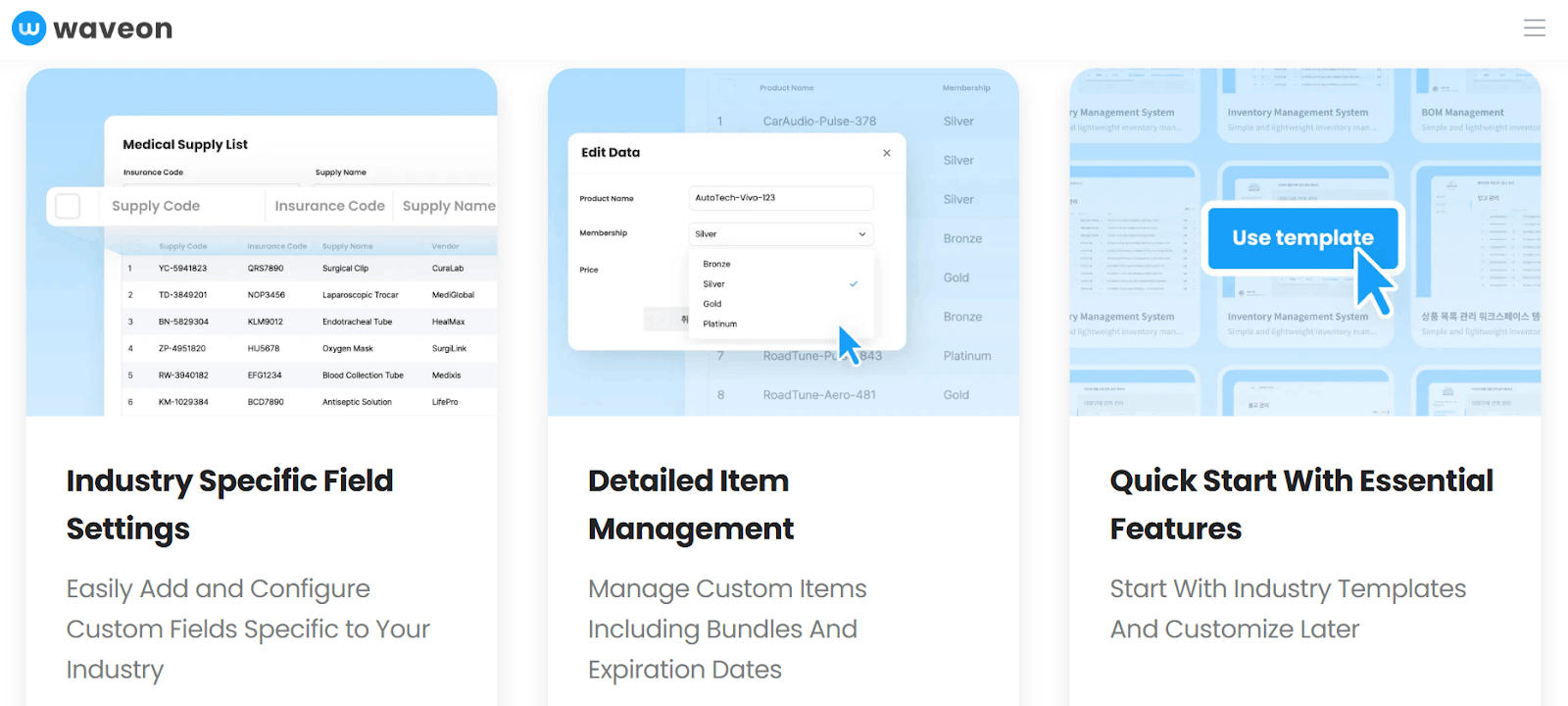
You can build your own ERP system and implement it within days. Other updates or customizations in the future will also be quick and easy to implement.
💡 Learn from real customer experiences
No-Code ERP vs. Traditional ERP Systems
Before we get into a detailed comparison of no-code ERP vs. traditional ERP systems, let’s take a quick look at the key differentiators between the two.
No-Code ERP Systems | Traditional ERP Systems | |
|---|---|---|
Ease of use | Very ease | Difficult |
Customization flexibility | High Allows rapid changes | High Takes time and development costs |
Time to implement | Short | Long |
Scalability | High | Low It will involve development resources, time and budget to scale. |
Cost-effectiveness | High | Low |
Security and compliance | Moderate Vendor dependent | High Complete control, but requires frequent updates |
Ideal for | Small businesses, SMEs | Large enterprises |
Now, let’s discuss each aspect in detail to help you make an informed decision about the type of ERP system to use for your business.
1. Ease of Use
Traditional ERP: These systems are powerful but complex, requiring months to set up and implement the system. You need IT expertise and coding skills to get things running.
Many legacy systems have outdated user interfaces, which makes them difficult to use for beginners, hampering the user experience.
No-code ERP: Now, imagine an ERP that works without coding — that’s what no-code ERP offers. Instead of dealing with complicated software, you get an easy-to-use interface with drag-and-drop tools.
Whether you want to create a new report or an automated workflow, you can do it yourself. It is built for everyday users, making it quicker, easier, and less intimidating than traditional ERP systems.
Verdict: No-code ERP is the clear winner.
2. Customization Options and Flexibility
Traditional ERP: It is highly customizable if you have the technical expertise and time to make changes. Many changes in the system also require hardware changes, which means additional costs.
You will need custom coding skills or third-party consultants. While traditional ERPs can be tailored to fit your business, the process is often slow, expensive, and requires ongoing maintenance.
No-code ERP: These systems offer unmatched flexibility and are easier to customize. No coding is required — just simple drag-and-drop tools that let you create workflows, automate tasks, and customize dashboards, however you like.
Again, you can do these changes yourself without an IT team. It is a perfect choice for rapid changes and frequent customizations.
Verdict: No-code ERP wins for flexibility. However, traditional ERP systems are more customizable.
3. Implementation Time
Traditional ERP: The initial setup is a long and complex process that may take months or even years to complete. You need to set up, customize, test, and integrate everything. It often involves hiring consultants, training employees, and troubleshooting unexpected issues.
No-code ERP: A no-code ERP is built for speed. You can implement it within days as most no-code ERP systems are cloud-based, where the vendor manages the hardware and infrastructure.
They come with pre-built templates such as our order management template and drag-and-drop tools, so you can configure workflows, reports, and automation without waiting for IT teams. You can go live faster and start seeing results right away.
Verdict: No-code ERP takes this round as well.
4. Scalability
Traditional ERP: Traditional ERPs are built to handle large-scale operations, making them a good choice for big enterprises with complex needs. However, scaling a traditional ERP often requires more servers, licenses, and IT support.
Adding new features or expanding to new markets can be a slow, expensive process, requiring custom development and system upgrades. This is less adaptable, so implementing changes will take time.
No-code ERP: This is a flexible and adaptable model, which can scale with your business needs. Since everything is cloud-based and configurable without coding, you can easily add new users, expand to new markets, and adjust workflows on the fly.
You can start with basic modules and add more functionality as your business grows.
Verdict: If you’re looking for flexibility in scaling, no-code ERP wins. However, if you want an advanced system that works for large enterprises, traditional ERP takes the lead.
5. Cost-Effectiveness
Traditional ERP: The initial setup and ongoing maintenance costs are substantial. You pay for the software, hardware, employee training, and ongoing maintenance.
Licensing fees, infrastructure costs, and long setup times can quickly add up, making traditional ERPs a costly option, especially for small and mid-sized businesses.
No-code ERP: This is a more cost-effective solution as you pay for the modules you use, without worrying about maintaining complex hardware.
Since it’s cloud-based and doesn’t require working with developers, it saves on implementation, IT, and maintenance costs. The vendors take care of everything; you just pay to use their software.
Moreover, you can choose which modules you want and pay only for what you need and use.
Verdict: Traditional ERPs don’t even come close to no-code ERPs in cost-effectiveness. The latter is a clear winner.
6. Security and Compliance
Traditional ERP: You’ll have complete control, so security is high. However, there is a risk of on-premise breaches.
Ensuring compliance with GDPR, SOC 2, or ISO standards often requires manual effort, custom configurations, and ongoing IT support. Basically, you get enterprise-grade security but need manual compliance.
No-code ERP: These systems have built-in security features, including encryption, access controls, and automated compliance updates.
Since most no-code ERP systems are cloud-based, vendors take care of security measures. The upside is that security updates are frequent, but the downside is that you’re dependent on the vendor for security.
Verdict: Both systems are secure, but no-code ERP solutions simplify ensuring compliance with industry standards. Traditional ERP can be more secure but they require extensive manual optimizations to ensure security and compliance.
7. Ideal For
Traditional ERP: Large businesses that want complete control over security measures and system customization, and have the budget to deploy a development and support team for their ERP system should use traditional ERP systems.
No-code ERP: Small and mid-sized businesses that want a budget-friendly and user-friendly ERP solution, without investing in hardware, tech support, and ongoing maintenance costs should use no-code or low-code ERP systems like Waveon.
Is It Time to Switch to a No-Code ERP System?
Unless you run a large enterprise and already have established legacy systems, you should switch to a no-code ERP system.
A no-code ERP builder like Waveon brings the following advantages to the table:
Quick setup: Get your ERP up and running in days, not months — no coding required.
Easy customization: Drag-and-drop tools let you tailor workflows, reports, and dashboards without any technical expertise.
Cost-effectiveness: It is a budget-friendly solution that offers great value for money.
No-code ERP is not just for small businesses, though. Even large enterprises can use a mix of traditional and no-code ERP systems to add more flexibility to their existing systems.
If you want a more efficient and affordable ERP system that grows with your business, use Waveon’s no-code ERP builder. It offers customization flexibility while enabling you to implement changes quickly and conveniently. Try it today!